
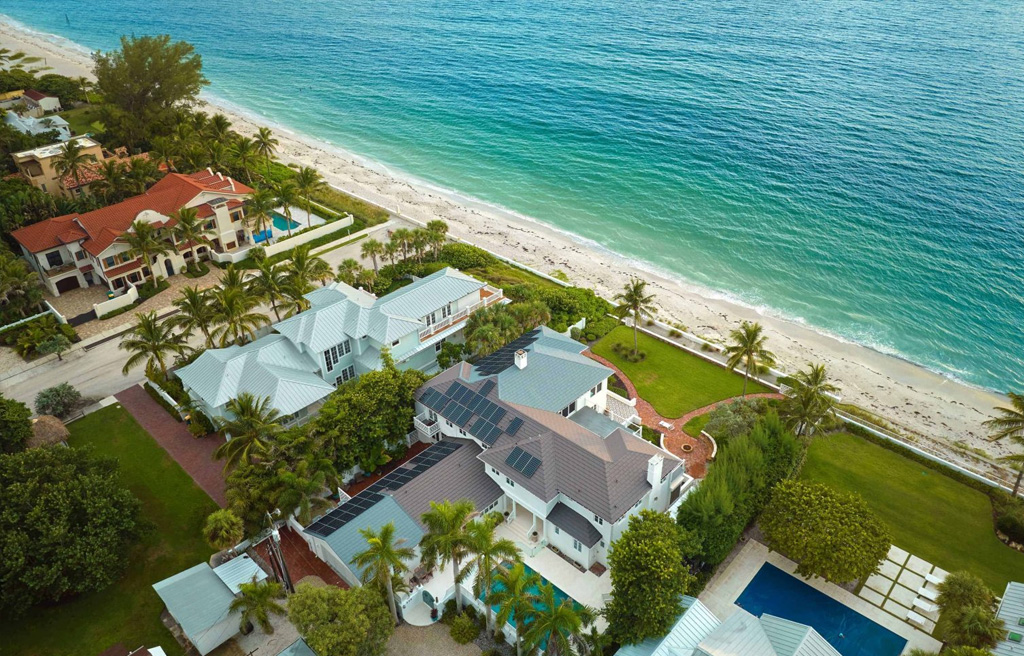
Owning a home in The Bahamas is a dream for many, but it also comes with responsibilities. One of the most important is protecting your home and possessions with a reliable home insurance policy. Home insurance in The Bahamas safeguards you from financial losses if something happens to your property – such as damage from hurricanes, fires, theft, or other unexpected events. It also offers liability protection if someone gets hurt on your property. Given the Bahamas’ climate and the risk of severe storms, having the right home insurance is absolutely essential for peace of mind.
What Does Home Insurance Cover in The Bahamas?
A typical home insurance policy in The Bahamas covers the structure of your home (the building itself) and your personal belongings inside it from various perils. These usually include major risks like hurricanes and windstorms, tropical storms, fire, lightning, explosions, theft/burglary, and vandalism. For example, if a hurricane blows the roof off your house or a thief breaks in and steals electronics, your home insurance can pay for the repairs and replacements, up to the limits of your policy. Policies can be tailored to cover just the building, just the contents, or both. Most homeowners get a combined policy that includes both building and contents coverage for comprehensive protection, while renters might only need a contents-only policy to cover their personal belongings.
In addition, most home insurance policies provide personal liability coverage. This means if a visitor is accidentally injured on your property (say, by slipping on a wet step or getting hurt near your pool), your insurance could cover their medical bills or legal expenses if they decide to sue, up to your liability limit.
It’s important to review your policy to know exactly what risks are covered and what might be excluded. For instance, flooding from storm surge or heavy rain may not be covered by a standard home policy unless explicitly added. In The Bahamas, where many homes are near the coast or at low elevations, flood coverage is crucial – often it might need to be purchased as a separate flood insurance policy or an endorsement. Likewise, ensure that hurricane/windstorm damage is covered. Most comprehensive Bahamian home insurance policies do include hurricane damage (since it’s a common peril), but they will usually have a special hurricane deductible (more on that below). If you have any unique structures (like a detached garage or a guest cottage) or very valuable items (jewelry, art, etc.), check if they require additional coverage.
In summary, a good home insurance policy should cover your house and contents against the major threats we face in The Bahamas – wind, water, fire, theft – and protect you from liability. Always clarify any questions with your insurer, such as whether storm surge is classified as flood (often yes, which means a separate coverage would be needed for it).
Why Home Insurance is Important in The Bahamas
The Bahamas faces significant natural hazards, especially hurricanes. In recent years, events like Hurricane Dorian (2019) have shown how devastating a storm can be. Dorian struck the northern Bahamas (particularly Abaco and Grand Bahama) as a Category 5 hurricane and flattened entire communities. Thousands of homes were damaged or destroyed. Recovering from such a catastrophe is incredibly difficult without insurance. Those with solid home insurance could at least receive financial help to rebuild; those without it were faced with the almost impossible burden of starting over with their own funds or relying on limited aid.
Even outside of a worst-case scenario like Dorian, the fact is that most islands in The Bahamas will experience hurricanes or tropical storms over time. It might be years between major hits, but when one comes, it can cause extensive damage – torn-off roofs, collapsed walls, ruined interiors from water intrusion, etc. Home insurance means that if your house sustains this kind of damage, you likely won’t have to pay all on your own to fix it. The insurance would kick in (after your deductible) to cover repairs, making it possible to put your home back together.
Apart from hurricanes, home insurance is important for everyday incidents too. House fires, while not common, do happen and can destroy a home in a short time. Faulty wiring or an kitchen grease fire could cause tens of thousands in damage. Theft and vandalism are risks as well – a break-in could result in expensive electronics or jewelry being stolen. Without insurance, any of these events could be financially devastating. With insurance, you have a safety net.
Additionally, if you have a mortgage on your property, the lending bank requires home insurance. They want to protect the asset (your home) that secures the loan. So, practically speaking, almost all homeowners with a mortgage will have insurance. But even if you own your home outright, going without insurance means gambling with your most valuable asset. For the majority of people, their home is their biggest investment – it’s simply not worth risking it when insurance is available.
In essence, home insurance in The Bahamas is both a shield and a promise. It’s a shield against the financial impact of disasters and accidents, and a promise that you’ll be able to recover and rebuild, keeping your family secure no matter what Mother Nature or life throws your way.
Choosing the Right Home Insurance Policy
Selecting a home insurance policy in The Bahamas involves balancing cost with the coverage you need. Here are some tips on making the right choice:
- Adequate Coverage Limits: Make sure your dwelling coverage (coverage for the structure) equals the estimated cost to rebuild your home completely. This is not necessarily the market value of your home (which includes the land), but the reconstruction cost. Talk to your insurer or a contractor if you need help estimating this. After a big hurricane, construction costs can spike due to demand, so consider a buffer in your insured amount. For contents coverage, take an inventory of your belongings. How much would it cost to replace your furniture, appliances, clothes, electronics, and personal items? Use that as a guide for setting contents coverage. Don’t forget items in storage, your kitchenware, linens, etc. – it adds up more than you might think.
- Hurricane Deductible: Understand the hurricane (windstorm) deductible on your policy. It’s often a percentage of the insured value. For example, 2% is common – if your home is insured for $300,000, a 2% deductible means you pay the first $6,000 for hurricane damage. Some policies might have a 5% deductible or a fixed dollar amount. A higher deductible will lower your premium, but be sure you have a plan to cover that amount if you need to make a claim. In hurricane-prone areas like The Bahamas, some homeowners keep an emergency fund specifically for the deductible. You may have an option to choose a higher or lower hurricane deductible when you buy the policy – weigh the premium savings versus your ability to pay out-of-pocket.
- Flood Coverage: As mentioned, flood (rising water) is usually not automatically covered in standard home insurance policies here. If your property is in a low-lying area, near the coast, or simply if you want comprehensive protection, consider adding flood insurance. This might be offered by your insurer or through a separate policy (sometimes through an agency like NFIP, though NFIP is a U.S. program; in The Bahamas, private insurers or specialty markets handle flood). Flood insurance will cover damage from storm surge or heavy rain flooding – crucial coverage given our geography.
- Contents and Valuables: Check the sub-limits on certain categories of belongings. For example, a policy might only cover jewelry up to $5,000 total unless items are specifically listed (scheduled) with appraisals. If you have expensive jewelry, watches, artwork, or collections, discuss scheduling them on the policy to ensure they’re fully insured. Yes, it adds a bit of cost, but it’s worth it to avoid any surprises if you ever need to claim for them.
- Liability Limit: Most home insurance policies come with a default personal liability coverage amount (commonly $100,000 or $300,000). Consider if that is enough — liability claims can sometimes be high if, say, someone is seriously injured on your property. Increasing liability coverage is usually inexpensive; you might raise it to $500,000 or $1 million for a small extra premium, giving you more protection.
- Compare and Ask Questions: Don’t hesitate to get quotes from multiple insurance companies or brokers. Compare not just the price, but also what’s covered or excluded. One policy might, for example, include a small amount of coverage for damaged landscaping or offer coverage for mold resulting from a covered water loss, while another might not. Ask about anything you don’t understand. A good insurance provider will explain their policy terms clearly. Also, inquire about any discounts: for example, some insurers might offer a discount if you have monitored security alarms, or if you bundle home and auto insurance with the same company.
- Excess and Additional Coverages: Check if things like additional living expenses (ALE) are covered – this pays for your hotel or rental home if you can’t live in your house during repairs. Most policies include ALE (often a percentage of the dwelling coverage or “actual loss sustained” for a certain time period). Given the extended rebuild times after big hurricanes, make sure ALE is sufficient (some policies cover up to 12 months or more of living expenses). If you have unique needs, like a home business or expensive sporting equipment, mention it. You may need a rider (endorsement) for full coverage in those cases.
Getting Home Insurance in The Bahamas
Obtaining home insurance in The Bahamas is a straightforward process. There are many local insurance companies and brokers that specialize in home policies and understand our island-specific risks. Here’s how you typically get covered:
- Gather Home Details: Before requesting a quote, gather key information about your home. Know the square footage, construction type (e.g., concrete block, wood frame), age of the home and roof, number of bedrooms/bathrooms, and any special features like a pool or solar panels. Think about the amount for which you want to insure the building (replacement cost). Also list any safety features: Do you have hurricane shutters? Impact-resistant windows? A security system? These details can influence your premium.
- Request Quotes: You can contact insurance companies directly or use an insurance broker who will shop around for you. Some well-known providers in The Bahamas include Bahamas First, RoyalStar Assurance, Insurance Company of The Bahamas (ICB), Atlantic General, and newer digital entrants like Indigo Insurance. Many of these have websites where you can submit basic info for a quote, or you can call/email an agent. Provide the home details you gathered, and they will calculate a premium for the coverage you need. It’s wise to get 2-3 quotes for comparison.
- Evaluate Quotes: When you receive quotes, look at the coverage details in addition to the price. Check the dwelling and contents limits, the deductibles (especially the hurricane deductible), and any notable exclusions or conditions. If something is unclear, ask the agent to explain. Make sure you’re comparing apples to apples – one quote might be cheaper but perhaps it has a 5% hurricane deductible vs. another with a 2% deductible, for example.
- Choose a Policy and Insurer: Based on coverage and cost, select the policy that best fits your needs. Also take into account the insurer’s reputation — an insurer known for good customer service and prompt claims handling can be a better choice even if it’s slightly more expensive, especially given how crucial claims service is after events like hurricanes.
- Complete the Application: You’ll need to fill out an application form. This includes providing personal information (name, date of birth, contact, etc.), details about the property (as discussed), and affirming things like whether the property will be occupied (vacant homes might have different terms) and if there have been any recent claims on the property. Be honest and thorough – any incorrect info could cause issues if a claim arises.
- Payment: Once the insurer approves your application, you’ll need to pay the premium to start coverage. Home insurance premiums can be sizable since they cover high-value properties; however, many companies allow you to pay quarterly or monthly. If you pay in full for the year, some insurers may give a small discount. If you go with monthly installments, check if there’s an extra fee for that convenience or if it’s zero-interest. Indigo Insurance, for example, offers a monthly subscription model for payments, which can help with budgeting.
- Policy Issuance: After payment, the insurance company will issue your policy. You’ll receive a policy document detailing all the coverages, limits, and conditions, as well as a declarations page (summary of your coverage) and usually a certificate of insurance. Store these documents safely. It’s also good to keep a digital copy (scanned or emailed) so you can access them even if the physical copy is lost or if you’re away from home.
- Ongoing Management: Keep your home insurance active by renewing it each year. Mark your calendar for the renewal date – your insurer will usually send a reminder/renewal notice. Avoid lapses, especially during hurricane season. Update your insurer about any significant changes: for example, if you add an extension to the house, remodel the kitchen with high-end finishes, or add a security system, let them know. These could affect your coverage needs or premium. And if you pay off your mortgage, you might need to update the policy to remove the bank’s name from it.
In recent times, buying insurance has become more convenient in The Bahamas. Some insurers have online quote forms, and a few (like Indigo Insurance) even allow for full online purchase of a policy. This is great if you prefer a quick, hassle-free experience without paper forms.
By getting your home insurance set up and keeping it current, you’re taking a responsible step to protect your piece of paradise. No one likes to think about worst-case scenarios, but if they come, you’ll be very glad to have that insurance safety net in place. It helps ensure that you can recover financially and rebuild your life in The Bahamas if disaster strikes.