
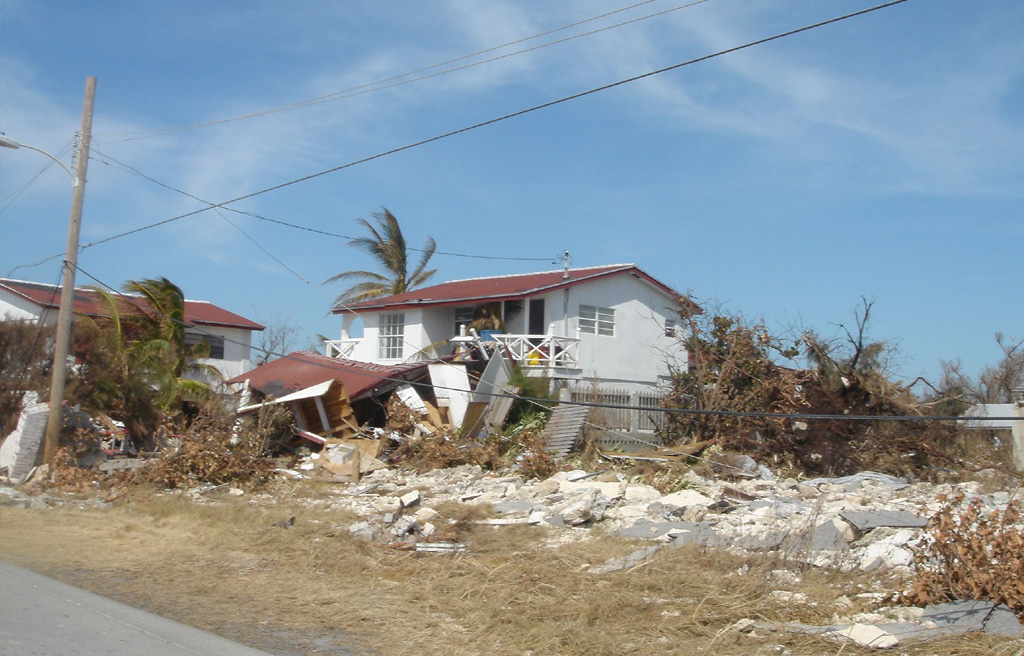
Hurricane season is a serious concern for anyone living in The Bahamas. Each year from June through November, our islands face the threat of powerful tropical storms and hurricanes that can cause massive damage to homes and property. Having robust hurricane coverage as part of your home insurance is not just a luxury in The Bahamas, it’s a necessity. “Hurricane home insurance” refers to the portion of your homeowner’s policy that covers damage from hurricanes and tropical cyclones (including the wind, rain, and storm surge they bring). Making sure your policy is hurricane-ready can save you from financial ruin and help you rebuild if the worst happens.
Hurricane Risks in The Bahamas
The Bahamas is no stranger to devastating hurricanes. Our location in the Atlantic hurricane belt means that many storms pass near or directly over some part of the country each year. One of the most catastrophic recent examples was Hurricane Dorian in 2019, which struck the northern Bahamas, particularly Abaco and Grand Bahama, as an incredibly powerful Category 5 storm. Dorian parked over these islands and unleashed destruction: entire neighborhoods were flattened, homes were swept off their foundations, and severe flooding occurred. It was a stark demonstration of how deadly and destructive a major hurricane can be. Recovery from Dorian has taken years, and many people could only rebuild because they had insurance (and even then, it was challenging).
Even if Nassau or other islands haven’t been hit as hard in the last few decades, other storms have come very close or caused significant damage. Hurricanes like Matthew (2016) and Floyd (1999) impacted parts of The Bahamas, causing roof damage, flooding, and prolonged power outages. The takeaway is that every homeowner in The Bahamas should be prepared. It’s easy to become complacent if a big storm hasn’t hit your island recently, but the nature of hurricanes is that it’s not a question of “if,” but “when.” Preparedness includes both physical measures (like securing your property) and financial measures (having good insurance and an emergency plan).
How Home Insurance Covers Hurricane Damage
Home insurance policies in The Bahamas generally cover hurricane damage under the peril of “windstorm” or “hurricane.” This means that if hurricane-force winds or wind-driven rain cause damage to your house, your insurance can pay for the repairs, up to your coverage limits (minus any deductible). Examples of covered hurricane damage typically include:
- Wind Damage: Damage caused by high winds, such as roofs blown off or shingles torn away, broken windows (due to wind or flying debris), collapsed exterior walls or porches, etc.
- Rain/Water Damage (from wind): If wind damages your home, allowing rain to enter (for example, a hole in the roof or broken window), the resulting water damage to interiors, furniture, floors, and electronics is usually covered because the proximate cause was wind.
- Fallen Trees or Debris: If wind causes a tree to fall onto your house or blows heavy debris that damages the structure, that is covered.
- Structural Collapse: In severe cases, parts of the house might collapse due to wind forces; such damage is covered.
Most policies also cover your personal belongings (contents) that are damaged by the hurricane. So if your furniture, clothing, appliances, etc. are ruined by the storm, you can claim those under contents coverage (again, up to your coverage limits). You will want to document those losses.
However, as with Cayman, the big caveat is flood vs wind. A lot of hurricane damage in The Bahamas can come from storm surge and flooding, especially on coastal and low-lying properties (which is a lot of areas). Standard home insurance distinguishes flood damage from wind damage. If water rises from the ocean or a surge and floods your home from the ground up, many policies will consider that flood damage, not wind damage. The same goes for water from heavy rain that accumulates and floods in from the street or through the foundation. If you do not have a flood insurance endorsement or a separate flood policy, such damage might not be covered.
For example, if a hurricane’s winds tear off your roof and rain drenches your interior, you’re covered. If a hurricane pushes a 5-foot storm surge that fills your ground floor with seawater, likely not covered unless you have flood insurance. Given that many parts of The Bahamas are at sea level or only a few feet above, storm surge is a very real threat. Therefore, to be fully protected, many homeowners need both windstorm (hurricane) coverage and flood coverage. Some Bahamian insurers package them together, others offer flood as an optional add-on. Be very clear on this with your insurance agent.
Additionally, note that home insurance will often cover additional living expenses if your home is uninhabitable after a hurricane. This could pay for hotel bills or renting a temporary place while your home is being repaired. Check your policy to see the terms of this benefit (often called ALE or loss of use coverage).
Hurricane Deductibles and Coverage Considerations
Home insurance in The Bahamas, like other hurricane-prone areas, typically comes with a special hurricane deductible (sometimes called a windstorm deductible). This is usually a percentage of your dwelling sum insured. Common hurricane deductibles might be 2%, 3%, 5%, or even 10% of the insured value, depending on your policy and perhaps how much premium you’re willing to pay. For instance, if your home is insured for $250,000 and you have a 2% hurricane deductible, you are responsible for the first $5,000 of hurricane damage.
It’s crucial to know your exact hurricane deductible. A higher deductible will reduce your premium because you’re effectively retaining more of the risk. But you need to be sure you could come up with that deductible amount if you had to. Some people set aside savings specifically for their deductible, which is a smart strategy. If your deductible is too high for you to realistically afford, consider adjusting it (even if it means a slightly higher premium).
Besides the deductible, check your coverage limits. Is your home insured to its full replacement cost? Don’t insure for just the real estate market value; you want to cover the cost to rebuild. After Dorian, there were reports of construction costs doubling in some areas due to demand and logistical challenges. Keep that in mind when deciding your coverage limit. It’s better to err on the higher side and have a cushion.
If you have any detached structures (a garage, a guest cottage, a shed), make sure they are included in your policy’s coverage (often listed as other structures, usually a percentage of the main dwelling coverage, like 10%). If they’re not automatically covered enough, ask about adding coverage for them.
Also, consider your contents coverage limit. After a major hurricane, if your house is destroyed or inundated, you might be claiming for basically everything you own. Is the limit sufficient to refurnish your entire home? Again, doing an inventory helps answer that.
One more thing: some insurers offer policy enhancements like coverage for debris removal, or a limited coverage for mold that might result from water damage (if addressed promptly). It might be worth looking at these details; post-hurricane, debris removal can be a big task (and expense), and mold can start growing quickly in the Bahamian heat if a house is water-logged. Policies usually cover debris removal as part of the overall claim (up to a certain percentage of the loss amount), but just be aware of it.
Being Prepared: Insurance Steps Before a Hurricane
Don’t wait until a hurricane is barreling toward The Bahamas to think about insurance. By that time, it’s usually too late. Insurance companies often temporarily halt issuing new policies or upgrading coverage when a storm is imminent (this is sometimes called a binding suspension). Prepare well ahead of hurricane season, or at the latest, early in the season when there’s no storm on the radar. Here are steps to take:
- Double-Check Your Coverage: Read through your policy or discuss your hurricane coverage with your insurance agent to ensure you understand exactly what it entails. Ensure that windstorm is covered and verify whether flood/storm surge is covered or not. If not, strongly consider adding flood coverage. Check your policy’s renewal date and ensure it won’t lapse during peak season. If renewal is due mid-season, take care of it on time.
- Discuss Flood Insurance: We can’t stress enough the importance of flood coverage in hurricane-prone zones. If your current insurer doesn’t offer it, explore other options. There are sometimes regional or international insurers that provide standalone flood policies. The best time to get this is when the weather is calm. There may even be a waiting period (some policies only take effect 30 days after purchase to prevent people from obtaining it at the last minute).
- Keep an Inventory: Maintain a home inventory of your belongings. Use your smartphone to take photos or a video walkthrough of your home. Open closets and cabinets and capture what’s inside. This visual record can jog your memory later if you need to list lost items. Also, if possible, keep receipts or a list of high-value items (TVs, computers, appliances, etc.). There are home inventory apps and spreadsheets that can help organize this. This inventory is useful not just for hurricanes but for any insurance claim (like a theft or fire).
- Safeguard Insurance Information: Store copies of your insurance documents and inventory in a secure location. A waterproof and fireproof safe is ideal for physical documents. Also, store digital copies. You might email it to yourself or use a cloud service. The reason is that if a catastrophic storm hits, you may not be able to return home immediately, or your papers could be destroyed. Therefore, having remote access to your policy details and proof of coverage is extremely helpful.
- Know Your Insurer’s Contact and Process: Ensure you have the phone number of your insurance company’s claims department saved in your phone contacts. Some insurers also have an online claims portal or an app; if yours does, consider downloading it and logging in ahead of time. It’s one less thing to do during the chaos after a storm. If English is not your first language and you’re more comfortable in Creole or Spanish (given our communities in The Bahamas), ask if the insurer offers support in that language or have a trusted friend who can assist you in communicating, as clear communication is key during claims.
- Home Preparations that Help with Insurance: While this is more about mitigating damage than the insurance itself, taking steps like installing approved hurricane shutters or a wind-resistant roof can not only protect your home but may also earn you premium credits from your insurer. Check if they offer any discounts for such features, and be sure to let them know if you’ve added them.
Preparation is not just about boarding up and buying supplies; it’s also about being financially and administratively ready. When a hurricane watch is announced, you want your focus to be on safety and securing your property, not calling your insurance agent to increase coverage (which you probably won’t be able to do at that point anyway).
After the Hurricane: Making a Claim
If a hurricane impacts your home, once you ensure your family is safe, your thoughts will turn to recovery and dealing with the damage. Here’s how to handle the insurance claim process in the aftermath:
- Safety First: Don’t rush back into a severely damaged home until authorities say it’s safe. There could be hidden structural damage, electrical dangers, or contaminated floodwater. Your well-being is the top priority.
- Document the Damage: When you can safely inspect your property, document all visible damage. Take photos and videos of all damage, inside and out. It’s often useful to take wide shots of each room, then closer shots of specific damage (like a hole in the roof, or a soaked pile of belongings). For items that’re ruined (furniture, electronics, etc.), if they’re not obviously destroyed, it can help to show them in the photo (for example, pushing on a waterlogged sofa to show water squelching out). This documentation will serve as evidence for your claim.
- List Damaged/Lost Items: Write down a list of major items that are damaged or lost. This will help when filing the claim. Include as much detail as you can, brand, model, age, and approximate value. If you had a home inventory (as recommended), use that as a starting point.
- Secure the Property: If possible, take steps to prevent further damage. This might include covering broken windows with plywood or tarps, moving intact belongings to a dry area, or mopping up excess water. Your insurance policy expects you to take reasonable steps to mitigate damage after an event. Again, keep receipts for any materials you buy for temporary repairs. These may be reimbursable.
- Contact Your Insurance Company: Notify your insurer about the situation as soon as you can. You don’t have to have all the documentation ready to make that first call or contact – the important thing is to get the claim on record. Many companies prioritize claims on a first-come, first-served basis (though severity also matters), so earlier notification can result in quicker service. Provide your policy number if you have it, and a summary of the damage (e.g., “Hurricane X damaged my roof, there’s flooding in the house, many contents are destroyed”). They will give you a claim number and explain the next steps.
- Meeting with the Adjuster: The insurance company will send an adjuster to inspect the damage. In the event of a widespread disaster, insurers often bring in extra adjusters from off-island to handle the workload; however, it may still take days or a couple of weeks due to the sheer volume. When the adjuster comes, walk them through every part of your property that was affected. Use your list to ensure nothing is missed. Hand over copies of your photos/inventory if needed (though they will make their own assessment). This is your opportunity to advocate for the full scope of your losses.
- Keep a Claims Diary: Start a simple log of all communications with your insurance company. Dates of calls, who you spoke to, and what was said or promised. Save all emails. If the adjuster provides a report or you receive any written estimates, keep those. This helps in the event of any disputes or delays, as you have a record of the process.
- Temporary Living Expenses: If your home is unlivable, keep receipts of hotel stays, restaurant bills, laundry, and other extra expenses you incur due to displacement. These may be covered under the loss of use part of your policy. There is usually a limit (either time or amount), but don’t assume something isn’t covered. Submit the expense and let the insurer tell you.
- Repairs and Contractors: You can start getting estimates from contractors to repair your home. In fact, getting a couple of independent quotes can be helpful if you think the insurance adjuster’s repair estimate is too low. You typically have the right to choose your contractor; the insurance payout will be based on the cost to return your home to its pre-storm condition (for covered damage). If there’s a mortgage, the insurer’s check might list the mortgage company; you’ll need to work with the bank to get funds released for repairs (they might release funds in stages as work is done).
- Insurance Payout: Depending on the severity, your claim might be settled in parts. For example, they might pay out for contents quickly, but handle the structural repairs separately. Alternatively, they may issue an advance payment if you require immediate cash for repairs. Don’t hesitate to communicate your needs. If you need an advance to secure a contractor, ask them. Once agreed, final settlement checks will be issued. Review the settlement breakdown to ensure it accurately covers all relevant items. If something is denied or not covered, the insurer will provide a written explanation.
- Appeals: If you strongly feel something that should be covered was overlooked or unfairly denied, you can dispute it. Provide any evidence or arguments to support your case. Sometimes adjusters miss something, or there’s a misunderstanding that can be cleared up with proper information.
Dealing with the aftermath of a hurricane can be stressful and emotional. It’s your home, and seeing it damaged is hard. But having a solid insurance plan in place beforehand will at least remove the financial fear. The insurance process can take some time, but remember that its purpose is to help you recover. Stay calm and persistent, and soon you’ll be on the path to getting your home back.
Hurricanes are an inevitable part of life in The Bahamas, but by carrying adequate home insurance coverage and taking preventive steps, you can ride out the storm knowing you’re financially protected. Insurance can’t stop a hurricane, but it can significantly ease the burden of picking up the pieces afterward. Plan ahead and you’ll weather whatever comes your way, knowing that your home, and your way of life, can be rebuilt with your insurance safety net.